• Published on

    ASK AND YOU SHALL RECEIVE

    Growing Into His Image: How God Forms the Fruit of the Spirit in Us

    The Christian life is not built on fear or hesitation. Scripture invites us to come boldly before God, to ask freely, and to trust completely in His goodness. Jesus said, “Ask, and it shall be given you; seek, and ye shall find; knock, and it shall be opened unto you” Matthew 7:7. But the gifts Jesus was pointing us toward were never material rewards or earthly comforts. They were the gifts of the Spirit, the inner qualities of Christ Himself, and the transforming work of God within us.


    When Jesus explained the generosity of the Father, He said, “How much more shall your heavenly Father give the Holy Spirit to them that ask him?” Luke 11:13. The Holy Spirit is the greatest gift, and everything He produces in us is part of the “good things” the Father delights to give. Psalm 37:4. Jesus said, “Fear not, little flock; for it is your Father’s good pleasure to give you the kingdom” Luke 12:32. The kingdom is God's Holy Spirit in every man, and the Spirit's guidance into its fruit (fruit of the Spirit), and ultimately, eternal life through Christ Jesus.


    Paul described the fruit of the Spirit as love, joy, peace, longsuffering, gentleness, goodness, faith, meekness, and temperance Galatians 5:22–23. These are not random virtues. They are the very character of Christ. When we ask God for the fruit of the Spirit, we are asking Him to form the life of His Son within us. Jesus reinforced this when He said, “How much more shall your Father which is in heaven give good things to them that ask him?” Matthew 7:11. The good things are the things of the Spirit. They are the qualities that reflect God’s nature and reveal His work in our hearts.


    This truth becomes clearer when we look at our own lives. Recently, I prayed for patience, sincerely asking God to help me grow in that area. I expected to feel calmer, more settled, more composed. Instead, life seemed to become more frustrating. Delays increased. Interruptions multiplied. Situations that tested my limits appeared one after another. At first, it felt like the opposite of an answered prayer. Then, I realized something deeper was happening. Those moments were not obstacles; they were opportunities. They were the very places where patience was being formed. What felt like resistance was actually refinement. God was answering my prayer, not by dropping patience into my heart instantly, but by shaping it within me through real experience. We are still working through it together, but I can see that patience is growing in me precisely because God allowed me to walk through situations where patience was required.


    This is how spiritual growth works. God forms character through process, for His purpose. He shapes us through the steady work of the Spirit and through the moments where we must choose to walk in what He is producing. Paul explained this when he wrote, “Tribulation worketh patience; and patience, experience; and experience, hope” Romans 5:3–4. Patience is not learned in comfort. It is learned in the places where we must wait, trust, and endure. Wisdom is not gained in a moment. Proverbs says, “If thou seekest her [wisdom] as silver, and searchest for her as for hid treasures; then shalt thou understand the fear of the LORD, and find the knowledge of God” Proverbs 2:4–5. Strength is not built through ease. The Lord told Paul, “My strength is made perfect in weakness," in the Thorn in the Flesh 2 Corinthians 12:9. Faith is not strengthened by certainty. Peter wrote that the trial of our faith is “much more precious than of gold that perisheth, though it be tried with fire” 1 Peter 1:7. Every fruit of the Spirit is cultivated through the Spirit’s work in real life.


    Jesus described this process with the image of the vine and the branches. “Every branch that beareth fruit, he purgeth it, that it may bring forth more fruit” John 15:2. Pruning is the meaning here, and it is not punishment. Pruning is preparation. It is the Father removing what hinders growth so that the life of Christ can flourish within us. It is the Spirit shaping us, refining us, and clearing away what does not reflect the image of the Son.


    All of this fulfills the great transformation Paul described in his letter to the Corinthians. “But we all, with open face beholding as in a glass the glory of the Lord, are changed into the same image from glory to glory, even as by the Spirit of the Lord” 2 Corinthians 3:18. This is the heart of spiritual formation. The Spirit is the gift. The fruit is the evidence. Christlikeness is the result. When we ask God for the fruit of the Spirit, we are asking for the very heart of Christ to be formed in us. Jesus said, “Fear not, little flock; for it is your Father’s good pleasure to give you the kingdom” Luke 12:32. God delights to answer our prayers, because His purpose has always been to conform us to the image of His Son. “For whom he did foreknow, he also did predestinate to be conformed to the image of his Son.” Romans 8:29


    Spiritual growth is not about striving or forcing ourselves to be better. It is about surrendering to the work of the Spirit, trusting that the Father gives the best gifts, and allowing Him to transform us from glory to glory. When we ask for the fruit of the Spirit, we are asking for the life of Christ to take root in us. And the Father, who delights to give the Holy Spirit and good gifts to those who ask, will faithfully complete the work He has begun in us: “He which hath begun a good work in you will perform it until the day of Jesus Christ." Philippians 1:6


    Come boldly unto the throne of grace..." Pray for refinement. "For ye have need of patience, that, after ye have done the will of God, ye might receive the promise." Hebrews 10:36


    May He guide our steps and light our way until we meet Him in the clouds. Amen.

  • Published on

    ALREADY BUT NOT YET

    Image description

    Transformed by the Holy Spirit

    The Journey of Sanctification: Walking with the Holy Spirit in an Imperfect World


    Dear brothers and sisters in Christ: Grace and peace to you from our Lord Jesus Christ.


    In the quiet moments of reflection, as we meditate on the boundless mercy of God, we are drawn into the profound mystery of the Holy Spirit's work within us. Today, I invite you to journey with me through the sacred pages of Scripture, exploring how the indwelling of the Holy Spirit transforms our lives—not as an instantaneous eradication of our sinful nature, but as a gentle, ongoing process of growth, refinement, and reliance on divine grace.


    Let us approach this with reverence, for we speak of the third Person of the Trinity, the Comforter promised by our Savior, who guides us toward holiness amid our human frailty.


    Beloved, when we come with faith in Jesus Christ, repenting of our sins and believing in His atoning work on the cross, we receive the Holy Spirit as a divine pledge. As it is written in Acts 2:38: "Then Peter said unto them, Repent, and be baptized every one of you in the name of Jesus Christ for the remission of sins, and ye shall receive the gift of the Holy Ghost." This reception is echoed in Ephesians 1:13-14: "In whom ye also trusted, after that ye heard the word of truth, the gospel of your salvation: in whom also after that ye believed, ye were sealed with that holy Spirit of promise, Which is the earnest of our inheritance until the redemption of the purchased possession, unto the praise of his glory."


    Oh, what a wondrous assurance! The Holy Spirit seals us as God's own, marking us for eternal redemption. Yet, in His infinite wisdom, God does not render us instantly incapable of sin upon this sealing. Instead, He begins a sacred process within us, where the Spirit takes residence in our very beings. As 1 Corinthians 6:19 declares: "What? know ye not that your body is the temple of the Holy Ghost which is in you, which ye have of God, and ye are not your own?" We become living temples, but temples still under construction, prone to the dust of this fallen world.


    Let us delve deeper into this divine process, known in theological terms as progressive sanctification. It is not a sudden leap into sinless perfection but a lifelong pilgrimage, where the Holy Spirit labors tirelessly to conform us to the image of Christ. The Spirit empowers us to resist the temptations that once held us captive, producing in us the fruit of righteousness: "But the fruit of the Spirit is love, joy, peace, longsuffering, gentleness, goodness, faith, Meekness, temperance: against such there is no law" (Galatians 5:22-23).


    Through the Spirit's guidance, we are progressively sanctified—set apart for God's purposes. As 2 Thessalonians 2:13 reminds us: "But we are bound to give thanks alway to God for you, brethren beloved of the Lord, because God hath from the beginning chosen you to salvation through sanctification of the Spirit and belief of the truth." This sanctification is active and dynamic: The Spirit convicts us of sin (John 16:8), illuminates Scripture to our minds (John 14:26), and strengthens us in weakness (Romans 8:26).


    And behold the glorious promise that sustains us in this journey: 'But we all, with open face beholding as in a glass the glory of the Lord, are changed into the same image from glory to glory, even as by the Spirit of the Lord' (2 Corinthians 3:18). Yes, beloved—we are all being changed, degree by degree, from one measure of glory to another, as we gaze upon Christ. This transformation is the gentle, persistent work of the Holy Spirit, who takes the radiance of Jesus and reflects it ever more brightly in our lives.


    Yet, in God's sovereign design, we can still stumble, still yield to temptation if we do not walk in step with the Spirit. The Apostle Paul, that pillar of faith, lays bare his own struggles in Romans 7:14-25: "For we know that the law is spiritual: but I am carnal, sold under sin... For the good that I would I do not: but the evil which I would not, that I do... O wretched man that I am! who shall deliver me from the body of this death? I thank God through Jesus Christ our Lord." Here, Paul confesses the ongoing battle between the renewed spirit and the flesh—a battle that even the greatest saints wage until glory.


    Consider also the lives of two anointed kings of Israel, David and Solomon, whose stories illuminate this very truth. Both were greatly blessed by God—David, a man after God's own heart, empowered by the Spirit from his youth; Solomon, granted unparalleled wisdom and splendor. Yet both fell into grievous sin: David in adultery and murder, Solomon in idolatry, turning his heart to foreign gods through the influence of his many wives (1 Kings 11:4–8). Solomon's end was marked by divine displeasure—"Solomon did evil in the sight of the Lord, and went not fully after the Lord, as did David his father" (1 Kings 11:6)—with no record of repentance restoring his fellowship. David, however, when confronted, humbled himself profoundly: "I have sinned against the Lord" (2 Samuel 12:13), pouring out his soul in Psalm 51 with a broken and contrite heart that God never despises. Throughout his life, David returned again and again to repentance, dying in covenant favor. Thus, even the most Spirit-blessed among us remain vulnerable to sin, but the path of progressive sanctification—of growing from glory to glory—is marked by ongoing humility and repentance, keeping our hearts soft toward the God who ever calls us back to Himself.


    And so, dear reader, receiving the Holy Spirit does not prohibit us from sinning; rather, it equips us for victory while acknowledging our need for continual repentance. As 1 John 1:8-10 solemnly warns believers: "If we say that we have no sin, we deceive ourselves, and the truth is not in us. If we confess our sins, he is faithful and just to forgive us our sins, and to cleanse us from all unrighteousness. If we say that we have not sinned, we make him a liar, and his word is not in us." What grace! In our failings, we find not condemnation but an invitation to draw nearer to the throne of mercy.


    In the midst of this process, Scripture points us toward a glorious horizon. Consider 1 Corinthians 13:10: "But when that which is perfect is come, then that which is in part shall be done away." Paul, writing to the church at Corinth amid discussions of spiritual gifts and love, contrasts our current partial knowledge with the fullness to come. "That which is perfect" (from the Greek to teleion, signifying completeness or maturity) is often understood as the return of Christ or our entrance into eternity, when we shall see Him "face to face" and "know even as also I am known" (1 Corinthians 13:12).


    This perfection is not the eradication of sin in this life but the ultimate glorification awaiting believers. As Philippians 3:12-14 exhorts: "Not as though I had already attained, either were already perfect: but I follow after, if that I may apprehend that for which also I am apprehended of Christ Jesus... I press toward the mark for the prize of the high calling of God in Christ Jesus."


    Until then, we live in the tension of the "already but not yet"—sanctified positionally through Christ's blood, yet progressing practically through the Spirit's work.


    Paul culminates his discourse with a triumphant declaration in 1 Corinthians 13:13: "And now abideth faith, hope, charity, these three; but the greatest of these is charity." In our imperfect state, these virtues endure as anchors for the soul. Faith trusts in God's promises amid uncertainty; hope anticipates the fulfillment of His kingdom through Christ Jesus; and charity— that divine, selfless love (agapē)—binds them all through the Holy Spirit's work in a believer's heart, reflecting God's very nature (1 John 4:8).


    Love is supreme because it outlasts even faith and hope in eternity. When we behold Christ, faith becomes sight, and hope is realized. But love? It flows eternally from the heart of God. In our daily walk, this love empowers us to forgive, to serve, and to overcome sin's pull, all through the Holy Spirit's enabling.


    As we conclude this reflection, let us bow in awe before the Living God, the God of the living. The Holy Spirit's work in us is a profound mystery—a process of transformation that honors our free will while drawing us inexorably toward holiness. We can still sin, yes, but we are no longer slaves to it (Romans 6:14: "For sin shall not have dominion over you: for ye are not under the law, but under grace"). Walk in the Spirit, confess your failings, and press on toward "the prize of the high calling of God in Christ Jesus."


    May the Lord bless you and keep you, illuminating your path with His Word. Until we meet in that perfect realm, let us abide in faith, hope, and charity, and the greatest which is charity [love].


    In Christ's love,

    A Humble Seeker

  • Published on

    THE FAITHFUL AND WISE SERVANT

    Image description

    For millennia, believers have wrestled with the question: When will the rapture occur? Pre‑trib, mid‑trib, post‑trib—each view has its claims of Scriptural grounding, its arguments, and its defenders. Yet Scripture’s deepest call is not to speculation, but to faithfulness. Whether Christ comes before, during, or after the tribulation, the command is the same: be ready, be steadfast, be found so doing.


    Revelation 3:10 — The Promise of Being Kept


    “Because thou hast kept the word of my patience, I also will keep thee from the hour of temptation, which shall come upon all the world, to try them that dwell upon the earth.”

    This verse is often cited as evidence for a pre‑tribulation rapture. But beyond debates, its heart is clear: those who keep the word of Christ’s patience will be kept. Patience here means endurance—steadfast loyalty under trial. It is not passive waiting, but active obedience. The promise is not for the careless or lukewarm, but for those who remain faithful. "If you love me, keep my commandments." John 14:15


    Meat in Due Season — Faith That Matures


    “Who then is a faithful and wise servant… to give them meat in due season?” (Matthew 24:45–46)

    The faithful servant does not simply avoid sin. He feeds others. He gives “meat”—the deeper truths of God’s Word—at the exact time they are needed. This is meat faith: maturity, discernment, wisdom.


    • Hebrews 5:14 – “Strong meat belongeth to them that are of full age… discerning both good and evil.”


    • James 1:22 – “Be ye doers of the word, and not hearers only.”


    Meat faith is what sustains them, and God's poor in Spirit, milk-level believers, through the tribulation. It is the seal of maturity, the mark of discernment, the strength to resist deception and endure trials. It is God’s provision “in due season” for His household.


    Discernment and maturity are fruits of salvation through Christ Jesus, not the cause of it. Those who grow from milk to meat (Hebrews 5:14) show evidence of the Spirit’s work in them, but it is Christ alone who saves.


    Those with discernment do not endure alone. They are called to feed others in due season—to strengthen those who are still babes in Christ:


    • Hebrews 5:12 – “Ye have need that one teach you again… for every one that useth milk is unskilful in the word of righteousness.”


    • 1 Corinthians 3:2 – “I have fed you with milk, and not with meat: for hitherto ye were not able to bear it.”


    The faithful and wise servant sustains the household, giving meat to those who are ready, and patiently guiding those still on milk. In tribulation, this ministry of nourishment becomes vital: the mature, discerning and faithful uphold the weak, protect the vulnerable, and strengthen the wavering.


    The Light in the Darkness


    “Ye are the light of the world. A city that is set on a hill cannot be hid.” (Matthew 5:14)

    Why would God remove the light of the world before its darkest hour?


    • The church is called to shine in the world’s darkness.


    • Tribulation is the world’s darkest night, full of deception and trials.


    • Removing the church before that moment would leave the world without living witnesses of truth.


    Instead, Scripture shows the faithful shining in tribulation:


    • Daniel 12:3 – “They that be wise shall shine… and they that turn many to righteousness as the stars.”


    • Revelation 7:14 – “These are they which came out of great tribulation, and have washed their robes.”


    The light shines brightest when the night is darkest. God’s people are present, sealed, and faithful, bearing witness until Christ returns.


    Whether or not, however, you believe the rapture will be pre‑trib, mid‑trib, or post‑trib, the promise is the same:


    • Those who keep His word of patience will be kept from the hour of temptation, one way or another.


    • Those filled with meat-level discernment, who feed others with meat in due season, helping sustain those still on milk, will be blessed.


    The faithful servant is not idle. He is found so doing when the Master comes—serving, obeying, feeding, enduring. The timing of the rapture matters less than the posture of readiness. Jesus wants us to live today as if the rapture is today. The debate over timing will continue, but the heart of Scripture is clear: faithfulness, maturity, endurance, and service. The Lord is coming and blessed is the servant whom He finds so doing.


    The faithful and wise servant will be kept from the hour of temptation: Whether it means they will be "kept" by having their eyes wide open and discerning good and evil, to sustain them and others through the tribulation, or they will be whisked away so they do not have to endure it, is irrelevant. Because whether pre‑trib, mid‑trib, or post‑trib, the promise is sure. So, grow into discernment. Keep the word of His patience. Feed others with meat in due season. Sustain those who are still on milk. And live each day as if the trumpet could sound at any moment.


    That being said, the scriptural evidence is clear and abundant for a post-tribulation gathering. After all, we are the light of the world:


    Why would God remove the light before the End? If there is any hope for unbelievers, or for the wavering to return to Him, we must shine our light in the darkest hour.


    The scriptural proof for a post-tribulation gathering:


    ⏳ Daniel: The Foundation


    • Daniel 7:21–22 – “I beheld, and the same horn made war with the saints, and prevailed against them; until the Ancient of days came, and judgment was given to the saints…”
    • → The saints endure tribulation until God intervenes.


    • Daniel 12:1 – “And there shall be a time of trouble, such as never was… and at that time thy people shall be delivered, every one that shall be found written in the book.”
    • → Deliverance comes after great tribulation, for those written in the book of life.


    🌑 Jesus’s Teaching


    • Matthew 13:30 – “Gather ye together first the tares… but gather the wheat into my barn.”


    • At harvest (the end), the wicked are removed first, then the righteous gathered.


    • Matthew 24:29–31 – “Immediately after the tribulation… they shall see the Son of man coming… and he shall send his angels… and they shall gather together his elect.”


    • The gathering of believers happens after the tribulation, at Christ’s return.


    ✨ Marking and Sealing


    • Ezekiel 9:4 – “Set a mark upon the foreheads of the men that sigh and that cry for all the abominations…”

    • → God marks His faithful before judgment.


    • Revelation 7:3 – “Hurt not the earth… till we have sealed the servants of our God in their foreheads.”


    • → Believers are sealed for protection during tribulation.


    🔥 Revelation’s Judgment


    • Revelation 13:8 – “All that dwell upon the earth shall worship him [the beast], whose names are not written in the book of life…”


    • → Choices during tribulation reveal who belongs to Christ.


    • Revelation 20:12, 15 – “…the dead were judged… whosoever was not found written in the book of life was cast into the lake of fire.”


    • → Final judgment separates the faithful from the condemned.


    • Revelation 21:27 – “…but they which are written in the Lamb’s book of life.”


    • → Only those marked and faithful enter the New Jerusalem.


    The scripture shows a consistent theme: tribulation first, then Christ’s return, then separation of tares and wheat, with believers marked and preserved.


    Again, Faithful and Wise Servant, give them meat in due season. Blessed is that servant, whom his lord when he cometh shall find so doing.


    May He open eyes to see, ears to hear and hearts and minds to understand. Amen.


    See also my blogs titled, The Millennial Reign, and Righteous Indignation, for God's Words to me about Christ's return.


    All Glory to God in the Highest, always!


  • Published on

    JUDGE NOT, THAT YE BE NOT JUDGED

    Image description

    The Harsh Truth Many Christians Do Not Understand


    “Judge not, that ye be not judged.” Matthew 7:1


    You have probably heard that verse shouted from pulpits, seen it printed on T-shirts, and weaponized on social media to silence anyone who dares call sin by its name inside the church. It is the single most popular verse in modern Christianity, because it is the single most convenient verse. It is short, it sounds kind, and it lets everyone keep sinning in peace.


    Here is what almost no one will tell you: that half-verse, ripped from its context and isolated from the rest of Scripture, has become the favorite excuse for disobedience to some of the clearest commands God ever gave His people.


    The Bible does not forbid all judgment. It forbids only hypocritical, self-righteous judgment (Matthew 7:2–5). Five verses later in the very same sermon, Jesus commands us to judge false prophets by their fruits (Matthew 7:15–20). In the very same New Testament, the Holy Spirit explicitly commands the church: “For what have I to do to judge them also that are without? Do not ye judge them that are within? But them that are without God judgeth. Therefore put away from among yourselves that wicked person.” 1 Corinthians 5:12–13


    Paul tells the church to judge those inside—those who call themselves brothers—while leaving final judgment of the outside world to God. Yet, today the exact opposite happens: pastors thunder against the sins of Hollywood and Washington, but will not name the adultery, pornography, greed, or false teaching sitting in their own pews.


    God gave Ezekiel the office of watchman over Israel—not over Babylon. Read His terrifying charge:


    Ezekiel 3


    18 When I say unto the wicked, Thou shalt surely die; and thou givest him not warning, nor speakest to warn the wicked from his wicked way, to save his life; the same wicked man shall die in his iniquity; but his blood will I require at thine hand.


    19 Yet if thou warn the wicked, and he turn not from his wickedness, nor from his wicked way, he shall die in his iniquity; but thou hast delivered thy soul.


    20 Again, When a righteous man doth turn from his righteousness, and commit iniquity, and I lay a stumbling-block before him, he shall die: because thou hast not given him warning, he shall die in his sin, and his righteousness which he hath done shall not be remembered; but his blood will I require at thine hand.”


    We are told to warn the righteous man inside the house when he turns away. Silence is not mercy; it is blood-guilt. Paul says, “I am pure from the blood of all men. For I have not shunned to declare unto you all the counsel of God.Acts 20:26-27.


    Jesus warns: “If thy brother trespass against thee, rebuke him; and if he repent, forgive him.” Luke 17:3


    “Moreover if thy brother shall trespass against thee, go and tell him his fault between thee and him alone…if he shall neglect to hear the church, let him be unto thee as an heathen man and a publican.” Matthew 18:15–17


    Paul practiced it: “Them that sin rebuke before all, that others also may fear.” 1 Timothy 5:20


    “Brethren, if a man be overtaken in a fault, ye which are spiritual, restore such an one in the spirit of meekness; considering thyself lest thou also be tempted.” Galatians 6:1


    Yet millions of Christians have been trained to treat any such rebuke as “judgmental” and therefore sinful. They have swallowed a lie that directly contradicts Scripture, because they do not read the Scripture for themselves. “My people are destroyed for lack of knowledge.” Hosea 4:6


    The knowledge is not hidden. It is in the book they carry to church but never open at home. They would rather hear a 15-minute sermon or a friend’s opinion than search the Scriptures daily like the noble Bereans (Acts 17:11).


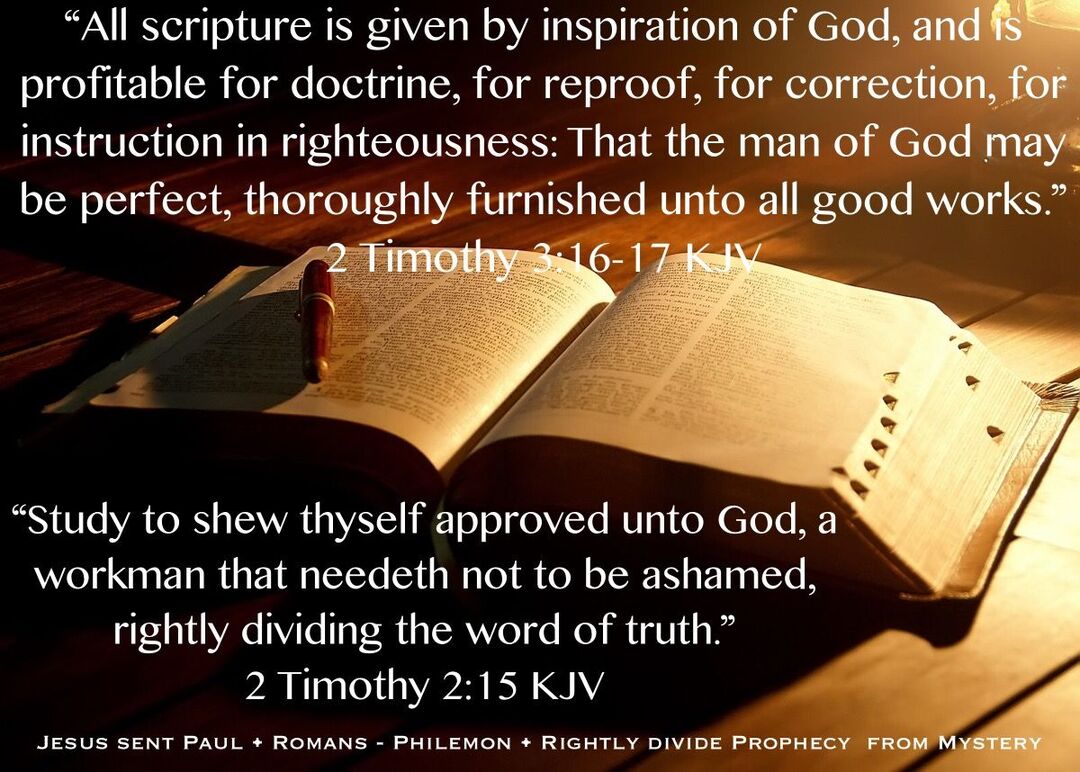
    “Study to shew thyself approved unto God, a workman that needeth not to be ashamed, rightly dividing the word of truth.” 2 Timothy 2:15


    Some will quote Romans 15:20 as a gag order: Paul says, “Yea, so have I strived to preach the gospel, not where Christ was named, lest I should build upon another man’s foundation.”


    That verse is real, but it is about something completely different. Paul is describing his missionary strategy: he wanted to take the first preaching of the gospel to unreached peoples who had never heard Christ’s name. He refused to repreach the gospel where it had already been faithfully planted. But the moment that already-planted gospel was being twisted or disobeyed in those churches, Paul intervened without apology—even in churches he did not found:


    • He publicly rebuked Peter to his face in Antioch: “But when Peter was come to Antioch, I withstood him to the face, because he was to be blamed… I said unto Peter before them all…” (Galatians 2:11–14)
    • He commanded the Corinthian church from afar to excommunicate an immoral man: “In the name of our Lord Jesus Christ… deliver such an one unto Satan… put away from among yourselves that wicked person.” (1 Corinthians 5:4–5, 13)
    • He wrote an entire corrective letter to the Colossians, a church he had never visited: “Beware lest any man spoil you through philosophy and vain deceit…” (Colossians 2:8–20)
    • He told Timothy and Titus to silence false teachers and rebuke sinful elders publicly in churches others had planted: “That thou mightest charge some that they teach no other doctrine…” (1 Timothy 1:3). “Whose mouths must be stopped… Wherefore rebuke them sharply…” (Titus 1:10–13)


    Paul refused to repreach the gospel where it was already established.

    He never refused to defend and correct the gospel (or the holy living it demands) once it had been established.


    “But Jesus said ‘Judge not’" .. Yes, He did—both in the same sermon (Matthew 5–7). Here is exactly what “Judge not, that ye be not judged” means: “For with what judgment ye judge, ye shall be judged… Why beholdest thou the mote that is in thy brother’s eye, but considerest not the beam that is in thine own eye? … Thou hypocrite, first cast out the beam out of thine own eye; and then shalt thou see clearly to cast out the mote out of thy brother’s eye.” Matthew 7:1–5


    Jesus forbids hypocritical, proud condemnation—not the loving removal of a brother’s speck after you have dealt with your own log. The goal is restoration, not destruction: “As many as I love, I rebuke and chasten: be zealous therefore, and repent.” Revelation 3:19. Real love warns. Real love risks being called “judgmental” because it cares more about a soul than about being liked.


    Romans 15:20 is no license for silence when a brother in another flock—or in your own—is openly turning from righteousness. Ezekiel's blood-guilt (Ezekiel 3) and the command to judge those inside (1 Corinthians 5) still stand.


    Until believers stop outsourcing their theology to only pastors, podcasts, and memes—and start reading the Bible, the whole counsel of God, for themselves—the church will keep quoting one verse to disobey fifty.


    The harsh truth is this: If you use “judge not” as a shield to protect unrepentant sin inside the body of Christ, you are not being loving. You are being disobedient. And one day the Righteous Judge will not ask what your pastor said, what your small group thought, or what felt kind. He will open the Book of Life: “He that overcometh, the same shall be clothed in white raiment; and I will not blot out his name out of the book of life, but I will confess his name before my Father, and before his angels.” (Revelation 3:5)


    Choose today whose word you will believe: the complete Word of God, or the convenient half-verses the crowd prefers.


    “Thy word is a lamp unto my feet, and a light unto my path.” Psalm 119:105


    Open the Bible . Read it all. Obey it all. Your soul—and the souls of your brothers and sisters—depend on it. The time is short.


    May the God of Glory light your path. May His Son open your eyes to see, your ears to hear, and your heart to understand. Amen.

  • Published on

    THE WORD MADE FLESH

    Image description

    "That was the true light which lighteth every man that cometh into the world." John 1:9

    Originally posted October 11, 2025. Reposted November 24, 2025, with no changes made.

    In the beginning God created the heaven and the earth. And the earth was without form, and void; and darkness was upon the face of the deep. And the Spirit of God moved upon the waters. (Genesis 1:1-2, KJV)


    These words launch the sacred narrative, revealing God's eternal act in perfect harmony—one God eternally existing as Father, Son, and Holy Spirit: the Father decreeing, the Spirit hovering in life-giving power, and the Word (the Son) executing light into being. "And God said, Let there be light: and there was light" (Genesis 1:3). This divine utterance pierces chaos, symbolizing order, holiness, and life. The Word is no created being but God Himself, co-eternal and co-equal with the Father and Spirit, sharing one divine essence in perfect unity—distinct Persons, inseparable in nature, will, and work. As we shall see, Jesus—the Word made flesh—cannot be created, for He is the One by whom all things were made. "All things were made by him; and without him was not anything made that was made" (John 1:3). This truth echoes through the apostles' writings, culminating in Revelation's eternal light, where God and the Lamb illuminate forever.


    In this blog, we will trace Scripture's golden thread: from primordial light to apostolic affirmations in John and Colossians, bolstered by the three who bear witness to Christ's deity. We will affirm His eternal nature—self-existent and divine—countering any notion of origination. For only the eternal can precede and sustain creation, as "He is before all things, and by him all things consist" (reside in) (Colossians 1:17). May this journey stir in you a glorious worship to the one true God: "O Lord, how manifold are thy works! in wisdom hast thou made them all" (Psalm 104:24).


    In the opening verses of Genesis, we behold a formless void shrouded in darkness, yet the Spirit of God moves upon the waters with gentle, omnipotent purpose—preparing the canvas for divine artistry and infusing it with the breath of life. This "moving" or hovering of the Spirit is a beautiful picture of God's caring presence. Then God said, "Let there be light," and light burst forth through the Word (Jesus Christ), not merely physical illumination but a profound symbol of God's holiness dispelling shadows, deception, and chaos. This light foreshadows the ultimate redemption, where "the people that walked in darkness have seen a great light" (Isaiah 9:2), pointing directly to Christ.


    The psalmist bridges this creation moment to the New Testament revelation: "By the word of the Lord were the heavens made; and all the host of them by the breath of his mouth" (Psalm 33:6), harmonizing the Father's decree, the Word's execution, and the Spirit's breath as one God in action. John's Gospel unveils the mystery further: "In the beginning was the Word, and the Word was with God, and the Word was God. The same was in the beginning with God" (John 1:1-2). Here, the Logos—God's divine reason and expression—is not a later creation but eternally existent, distinct in person yet one in essence with the Father. Amid debates over exact phrasing, the core truth shines: This Word is Jesus incarnate (John 1:14), declaring His timeless deity when He says, "Before Abraham was, I am" (John 8:58), echoing God's eternal name in Exodus 3:14. The prophet Micah affirms the Messiah's origins: "whose goings forth have been from of old, from everlasting" (Micah 5:2). In this Word dwells life itself, and that life is the light of men, radiating undimmed into the darkness (John 1:4-5)—Jesus, the eternal Word of God, through whom the Father created all things and brought everything into existence: "All things were made by him; and without him was not any thing made that was made" (John 1:3). He did not create Himself; He is God's Word, the uncreated Creator who holds all in being.


    Yet, so much debate and argument have swirled around the precise wording of John 1:1—"the Word was God" versus alternative renderings like "was a god"—often missing the forest for the trees in theological battles that have divided believers for centuries. God does not command us to win debates but to believe in His Son for eternal life (John 3:16: "Whosoever believeth in him should not perish"), and to spread this gospel to every creature. These ongoing debates deflect from the verse's heart and the verses that follow:


    John 1


    3 "All things were made by him; and without him was not any thing made that was made.


    In him was life; and the life was the light of men."


    Jesus is God's Word; God speaks, and the Word executes. "Let there be light."


    Central to this revelation is the irrefutable truth that Jesus cannot be created precisely because He is the Creator—a logical and scriptural absolute that places Him outside the realm of contingent beings. If He originated everything, He cannot originate from anything Himself, for creators inherently precede and transcend their works; self-creation is an impossibility, as "every house is builded by some man; but he that built all things is God" (Hebrews 3:4). John's proclamation drives this home: "All things were made by him; and without him was not any thing made that was made" (John 1:3). The emphatic double negative leaves no loophole—every star, soul, speck and atom owes its existence to Him, echoing the creative command in Genesis and excluding any possibility of His own making.


    This eternal status unfolds richly across Scripture. His pre-existence shines in John 1:1-2, where the Word simply "was" in the beginning, not "became" at a point in time, and in John 17:5, where He shares glory with the Father "before the world was," including His role as redeeming Lamb foreordained before the foundation (1 Peter 1:20: "Who verily was foreordained before the foundation of the world, but was manifest in these last times for you"). The child born in Bethlehem is called "The everlasting Father, The mighty God" (Isaiah 9:6), titles reserved for the eternal Yahweh. He forms all things directly, as in Colossians 1:16-17 ("by him were all things created... he is before all things"), Hebrews 1:2-3 (God made the worlds "by whom," upholding them by His power), and 1 Corinthians 8:6 ("by whom are all things"). His divine attributes include self-existent life, shared eternally with the Father: "the Father hath life in himself; so hath he given to the Son to have life in himself" (John 5-26)—not borrowed or started, but inherent like the Father's own endless existence. He is equal with God, "being in the form of God" without claiming something extra (Philippians 2:6), and holds "all the fulness of the Godhead bodily" (Colossians 2:9).


    He stands distinguished from all creatures: Angels worship Him rather than rival Him (Hebrews 1:5-6), and His Melchizedek-like priesthood knows "neither beginning of days, nor end of life" (Hebrews 7:3). Even Revelation 3:14's "beginning of the creation" means source or ruler (arche), as in Proverbs 8:22-23 where Wisdom (Christ) is "from everlasting." Explicit denials abound: "Before me there was no God formed" (Isaiah 43:10), and as the "only begotten Son" He declares the unseen God (John 1:18). Potential misreadings, like "firstborn" in Colossians 1:15, denote preeminence—not origination—as with David made "firstborn" as highest king (Psalm 89:27). Only the eternal can precede creation because contingent things (everything that depends on something else to exist, like all created matter and beings) require a cause and a starting point; God alone is independent, giving life without needing any (Acts 17:24-25). Jesus embodies this: "I am Alpha and Omega... the Almighty" (Revelation 1:8, 17-18), the eternal One who sustains all without beginning or end.


    The Apostle Paul's praises to God in Colossians harmonize perfectly with John 1:1-2, exalting the eternal Son amid false teachings that would diminish Him to a mere emissary or angel. "Who is the image of the invisible God, the firstborn of every creature: For by him were all things created, that are in heaven, and that are in earth, visible and invisible, whether they be thrones, or dominions, or principalities, or powers: all things were created by him, and for him: And he is before all things, and by him all things consist" (Colossians 1:15-18). Here, "firstborn" (prototokos) signifies preeminence and heirship, not creation—as God promised David, "I will make him my firstborn, higher than the kings of the earth" (Psalm 89:27)—for the verses immediately affirm He creates those very realms, standing before and sustaining them.


    The parallels with John reveal profound oneness: John's comprehensive "all things" expands in Colossians to include heavenly hierarchies and invisible powers (like angels and spiritual authorities), refuting any intermediary creators and asserting Christ's absolute dominion, as everything in the universe—seen or unseen—is made through Him alone. The agency is identical—"by him" as the instrumental cause, mirroring the Word through which God spoke in Genesis and Psalm 33:6. Yet Colossians adds depth: Creation is not only "by" Him but "for" Him, orienting all existence toward His glory, as He shared pre-world splendor with the Father (John 17:5). This sustenance—"by him all things consist"—portrays Him as the divine glue holding atoms and angels together, echoing Hebrews 1:3's "upholding all things by the word of his power." The fullness of deity dwells in Him (Colossians 1:19; 2:9), making separation impossible: If God creates alone yet through the Son (Isaiah 44:24), they are one essence, mutually indwelling (John 14:10: "I am in the Father, and the Father in me"). This unity counters heresies, affirming the Son's eternal role in planning (Father), executing (Son), and quickening (Spirit implied, as "the Spirit quickeneth" in John 6:63).


    The passage in 1 John 5:7-8 (KJV) beautifully complements the themes of divine unity and historical testimony, emphasizing how God's eternal truth is confirmed in time through Jesus's life and work. Even focusing on the earthly witnesses that appear in all manuscripts—the Spirit, the water, and the blood, these three agree in one—these elements provide strong evidence against early false teachings that tried to separate Jesus's divine and human natures (such as ideas that the spiritual "Christ" only temporarily descended on the man Jesus at baptism and left before the cross). Instead, they affirm the eternal Creator's full incarnation from start to finish: Jesus came "by water and blood" (1 John 5:6), not by water only. The Spirit, who testifies because "the Spirit is truth," is the Holy Spirit who hovered in creation and continues to bear witness in believers' hearts (Romans 8:16) and through events like the baptism. The water recalls that baptism where the Father's voice declared "This is my beloved Son" (Matthew 3:17), marking the beginning of His public ministry. The blood points to the crucifixion, where water and blood flowed from His side (John 19:34), symbolizing complete atonement and proving His real, physical death for sins (Hebrews 9:12). These historical markers unite to show Jesus as the eternal "way, the truth, and the life" (John 14:6), with direct affirmations like Thomas's cry, "My Lord and my God" (John 20:28), and the Father's address about Jesus: "Thy throne, O God, is for ever" (Hebrews 1:8).


    The declaration "God is light, and in him is no darkness at all" (1 John 1:5) finds perfect resonance in the Word as "the true Light, which lighteth every man that cometh into the world" (John 1:9)—a oneness of essence where the Father's purity radiates through the Son. Jesus affirms, "He that hath seen me hath seen the Father" (John 14:9), making His light the visible expression of the invisible God. This shared radiance first ordered creation's dawn by separating light from darkness (Genesis 1:3-4), establishing moral and spiritual order from the void. In redemption, it exposes sin by revealing truth and convicting hearts, as Jesus declares, "I am the light of the world: he that followeth me shall not walk in darkness, but shall have the light of life" (John 8:12), drawing sinners to repentance and freedom (John 3:19-21). Eternally, it overcomes all darkness without fail or fluctuation, for God is the "Father of lights, with whom is no variableness, neither shadow of turning" (James 1:17)—unchanging in His gifts of wisdom and salvation, ensuring victory over evil and the promise of a shadowless future (Revelation 21:25).


    What dawns in Genesis's spoken light reaches eternal fulfillment in Revelation, where the holy city needs no sun or moon, "for the glory of God did lighten it, and the Lamb is the light thereof" (Revelation 21:23; see also 22:5). Here, the eternal Word—once active in creation's beginning—tabernacles forever as the Lamb slain yet victorious, sharing the throne with the Father (Revelation 22:1). As Alpha and Omega, the Almighty who was dead and lives (Revelation 1:8, 17-18), He receives worship alongside the Ancient of Days, their oneness sealing history's arc. In this radiant kingdom, night vanishes, and the redeemed walk in His light, heirs of the eternal Creator who holds all together from everlasting to everlasting.


    As many as receive Him become children of God (John 1:12), transformed by the One who made and sustains us. In a world where good is seen as evil, and evil as good, let the light of Jesus illuminate your path and guide you to His living water. Worship the Lamb who is worthy to receive power, riches, wisdom, strength, honor, glory, and blessing (Revelation 5:12)—for in the beginning, through the middle of time, and to the endless ages, He is the great I AM, the unchanging God who became flesh and was crucified to pay for our sins. May your life reflect His Glory, walking as children of light until we see Him face to face. Amen.


  • Published on

    ONCE TRULY SAVED, ALWAYS SAVED

    Originally posted October 4, 2025. Reposted November 24, 2025, with no changes made.

    There is a truth that anchors like an unbreakable chain: once truly saved, always saved. It is the doctrine of eternal life, a divine promise whispered across the pages of Scripture, echoing God's unchanging heart. Yet, in the clamor of casual confessions and bumper-sticker theology, this pearl of grace often gets dragged through the mud. Too many voices spout "Once Saved, Always Saved" (OSAS) as if it is a spiritual hall pass, a wink at willful sin that says, "Go ahead, indulge—God's got the eraser." But oh, beloved reader, that is not the gospel's song. It is a tragic misunderstanding that cheapens the cross and mocks the resurrection. The Bible does not peddle eternal life as a sinner's loophole; it wields it as a sacred fire, igniting holy living in the redeemed soul.


    Let us pause here, in reverence, and let the Word unfold this mystery. For in its light, we see not a doctrine to debate, but a reality to live—a transformation that turns "I believe" into "I become."


    Picture a Father's hand, calloused from crafting galaxies yet tender as a lullaby, clasping yours in the storm. That is the essence of eternal life: not our fleeting hold on Him, but His eternal embrace of us. Jesus Himself declares it with the weight of eternity in John 10:28-29: "And I give unto them eternal life; and they shall never perish, neither shall any man pluck them out of my hand. My Father, which gave them me, is greater than all; and no man is able to pluck them out of my Father's hand." Here, salvation is not a probationary lease—it's an irrevocable deed, signed in the blood of the Lamb.


    Paul, that storm-tossed apostle, chimes in with a chorus of cosmic defiance in Romans 8:38-39: "For I am persuaded, that neither death, nor life, nor angels, nor principalities, nor powers, nor things present, nor things to come, Nor height, nor depth, nor any other creature, shall be able to separate us from the love of God, which is in Christ Jesus our Lord." No force—seen or unseen, felt or feared—can pry us loose. And why? Because salvation is God's present, permanent possession from the first whisper of faith. As the Savior promises in John 5:24, "Verily, verily, I say unto you, He that heareth my word, and believeth on him that sent me, hath everlasting life, and shall not come into condemnation; but is passed from death unto life." We have not just glimpsed the shore; we have landed there, the Holy Spirit our down payment on glory (Ephesians 1:13-14), a seal that whispers, "In whom ye also trusted, after that ye heard the word of truth, the gospel of your salvation: in whom also after that ye believed, ye were sealed with that holy Spirit of promise, Which is the earnest of our inheritance until the redemption of the purchased possession, unto the praise of his glory."


    This isn't presumption; it is the quiet confidence of Philippians 1:6: "Being confident of this very thing, that he which hath begun a good work in you will perform it until the day of Jesus Christ." God's gifts and His call are irrevocable (Romans 11:29). He doesn't dangle hope only to yank it away. Eternal security, then, is rooted in His faithfulness, not our faltering steps. It is the freedom to exhale, knowing the One who knit us in the womb will not abandon us in the wilderness.


    But here is where the misunderstanding unravels like a poorly knit sweater: true salvation does not leave us lounging in the shallows. It surges through us like a river of living water, reshaping desires and redirecting feet. "If ye love me, keep my commandments," Jesus says in John 14:15—not as a burdensome yoke, but as the natural pulse of a heart made alive. Genuine belief is not a head-nod in a crowded room; it is a root that drinks deeply, sprouting love that acts. As the Spirit stirs within, obedience flows unbidden, involuntary, like breath to the lungs. You don't think to love your neighbor; you just do, because the Spirit of God has taken hold. The Kingdom of God is literally inside you: "Neither shall they say, Lo here! or, lo there! for, behold, the kingdom of God is within you." Luke 17:21. The phrase "the kingdom of God is within you" signifies that the presence and reign of God is already present in the hearts of believers. This means that the kingdom of God is not just a future hope but a transformative reality that exists within each person. It emphasizes that God's kingdom is not confined to a physical location but is in the midst of us, influencing our thoughts, actions, and relationships with others. This concept is aided by Holy Spirit inside a believer, allowing the kingdom to manifest in their lives.


    Consider the Parable of the Pounds in Luke 19:11-27, that vivid imagery of stewardship Jesus weaves for expectant crowds. A nobleman entrusts his servants with silver—not to burden them, but to invite them into his ventures. The faithful do not sweat and strain; they invest, multiply, and return with abundance, their master's joy is their reward. The slothful one? He buries his pound in fear, clutching excuses like a shield. "Saying you believe is not enough," the parable thunders. Words without works are chaff in the wind: "Even so faith, if it hath not works, is dead, being alone." James 2:17. Yet those works? They are not the root of salvation—they are its radiant fruit, evidence of the Vine's life pulsing through the branch (John 15:5). "I am the vine, ye are the branches: He that abideth in me, and I in him, the same bringeth forth much fruit: for without me ye can do nothing," Jesus reminds us, but with Him? Fruit burgeons without fanfare, a quiet testimony to grace at work.


    This is the Holy Spirit's artistry: Galatians 5:22-23 unfurls the harvest—"But the fruit of the Spirit is love, joy, peace, longsuffering, gentleness, goodness, faith, Meekness, temperance: against such there is no law." These aren't virtues we manufacture in gritted-teeth resolve; they are the overflow of new birth, crowding out sin's stubborn weeds. As John writes with pastoral fire in 1 John 3:6-9, "Whosoever abideth in him sinneth not: whosoever sinneth hath not seen him, neither known him. Little children, let no man deceive you: he that doeth righteousness is righteous, even as he is righteous. He that committeth sin is of the devil; for the devil sinneth from the beginning. For this purpose the Son of God was manifested, that he might destroy the works of the devil. Whosoever is born of God doth not commit sin; for his seed remaineth in him: and he cannot sin, because he is born of God." The "seed" is the Spirit Himself, germinating righteousness that makes habitual rebellion not just undesirable, but impossible for the truly redeemed.


    Ah, but the tragedy lies in how this doctrine gets hijacked. "Once saved, always saved" becomes a mantra for the half-hearted, a sly justification for willful sin: "God forgives it all, so why fight?" It is as if grace were a fire insurance policy, letting you torch the house and stroll away unscathed. Beloved, the Scriptures roar against such folly.


    Paul, ever the surgeon of souls, slices through the lie in Romans 6:1-2: "What shall we say then? Shall we continue in sin, that grace may abound? God forbid. How shall we, that are dead to sin, live any longer therein?" We've been buried with Christ in baptism, raised to newness of life (Romans 6:4)—"Therefore we are buried with him by baptism into death: that like as Christ was raised up from the dead by the glory of the Father, even so we also should walk in newness of life"—sin's empire lies in ruins, its scepter shattered. To rebuild it brick by brick is to deny the resurrection's power.


    And Hebrews 10:26-27 lands like a thunderclap: "For if we sin wilfully after that we have received the knowledge of the truth, there remaineth no more sacrifice for sins, But a certain fearful looking for of judgment and fiery indignation, which shall devour the adversaries." This is not a whip for the weary saint; it is a spotlight on the impostor, the one who tastes truth but never swallows it whole (Hebrews 6:4-6). Those who spout OSAS while wallowing in unrepentant mud are not secured—they are self-deceived, mirrors fogged by illusion. "But be ye doers of the word, and not hearers only, deceiving your own selves." James 1:22. True eternal life does not breed complacency; it kindles vigilance, a holy hunger to run hard after the Lover of our souls, Jesus Christ.


    In the end, eternal life is not a static creed etched in stone; it is a living flame, flickering in the chest of every child of God. It liberates from fear's chains, freeing us to love boldly, obey joyfully, and bear fruit abundantly—not to earn our standing, but because we have entered it. The unfaithful servant in Luke's parable did not forfeit a prize he never pursued; he exposed a faith that was fiction. But you, dear reader—held in hands scarred for your sake— you are invited to the Master's table, pounds in hand, heart aflame.


    To become a true believer is to surrender all to the Savior who gave all for you. Confess with your mouth the Lord Jesus and believe in thine heart that God hath raised him from the dead, and thou shalt be saved (Romans 10:9). Repent, as Peter thundered at Pentecost, and be baptized every one of you in the name of Jesus Christ for the remission of sins, and ye shall receive the gift of the Holy Ghost (Acts 2:38). It is no mere ritual, but a dying to self and rising in Him—whosoever believeth in him should not perish but have everlasting life (John 3:16). Cry out for the fire of the Holy Spirit, that baptism of flame John foretold: He shall baptize you with the Holy Ghost, and with fire (Luke 3:16). Be filled with the Spirit and watch as zeal ignites your service—preaching the gospel, tending the broken, stewarding the pounds with hands now steady in His. This is no fleeting spark, but an eternal blaze that empowers you to serve Jesus not in your strength, but His, turning ordinary days into offerings of glory to God.


    Let this truth settle like dew on parched ground: God's got you, not because you are good, but because He is God. And in that grip, sin withers, love flourishes, and eternity dawns. What if today, you laid down the excuses and stepped into the river? What fruit might the Spirit coax from your surrender?


    Until next time, may the peace of Christ guard your heart, and His joy be your strength. Amen.