- Published on
JUDGE NOT, THAT YE BE NOT JUDGED
- Author
-
-

- Name
- Posts
- Posts
-
The Harsh Truth Many Christians Do Not Understand
“Judge not, that ye be not judged.” Matthew 7:1
You have probably heard that verse shouted from pulpits, seen it printed on T-shirts, and weaponized on social media to silence anyone who dares call sin by its name inside the church. It is the single most popular verse in modern Christianity, because it is the single most convenient verse. It is short, it sounds kind, and it lets everyone keep sinning in peace.
Here is what almost no one will tell you: that half-verse, ripped from its context and isolated from the rest of Scripture, has become the favorite excuse for disobedience to some of the clearest commands God ever gave His people.
The Bible does not forbid all judgment. It forbids only hypocritical, self-righteous judgment (Matthew 7:2–5). Five verses later in the very same sermon, Jesus commands us to judge false prophets by their fruits (Matthew 7:15–20). In the very same New Testament, the Holy Spirit explicitly commands the church: “For what have I to do to judge them also that are without? Do not ye judge them that are within? But them that are without God judgeth. Therefore put away from among yourselves that wicked person.” 1 Corinthians 5:12–13
Paul tells the church to judge those inside—those who call themselves brothers—while leaving final judgment of the outside world to God. Yet, today the exact opposite happens: pastors thunder against the sins of Hollywood and Washington, but will not name the adultery, pornography, greed, or false teaching sitting in their own pews.
God gave Ezekiel the office of watchman over Israel—not over Babylon. Read His terrifying charge:
Ezekiel 3
18 When I say unto the wicked, Thou shalt surely die; and thou givest him not warning, nor speakest to warn the wicked from his wicked way, to save his life; the same wicked man shall die in his iniquity; but his blood will I require at thine hand.
19 Yet if thou warn the wicked, and he turn not from his wickedness, nor from his wicked way, he shall die in his iniquity; but thou hast delivered thy soul.
20 Again, When a righteous man doth turn from his righteousness, and commit iniquity, and I lay a stumbling-block before him, he shall die: because thou hast not given him warning, he shall die in his sin, and his righteousness which he hath done shall not be remembered; but his blood will I require at thine hand.”
We are told to warn the righteous man inside the house when he turns away. Silence is not mercy; it is blood-guilt. Paul says, “I am pure from the blood of all men. For I have not shunned to declare unto you all the counsel of God.” Acts 20:26-27.
Jesus warns: “If thy brother trespass against thee, rebuke him; and if he repent, forgive him.” Luke 17:3
“Moreover if thy brother shall trespass against thee, go and tell him his fault between thee and him alone…if he shall neglect to hear the church, let him be unto thee as an heathen man and a publican.” Matthew 18:15–17
Paul practiced it: “Them that sin rebuke before all, that others also may fear.” 1 Timothy 5:20
“Brethren, if a man be overtaken in a fault, ye which are spiritual, restore such an one in the spirit of meekness; considering thyself lest thou also be tempted.” Galatians 6:1
Yet millions of Christians have been trained to treat any such rebuke as “judgmental” and therefore sinful. They have swallowed a lie that directly contradicts Scripture, because they do not read the Scripture for themselves. “My people are destroyed for lack of knowledge.” Hosea 4:6
The knowledge is not hidden. It is in the book they carry to church but never open at home. They would rather hear a 15-minute sermon or a friend’s opinion than search the Scriptures daily like the noble Bereans (Acts 17:11).
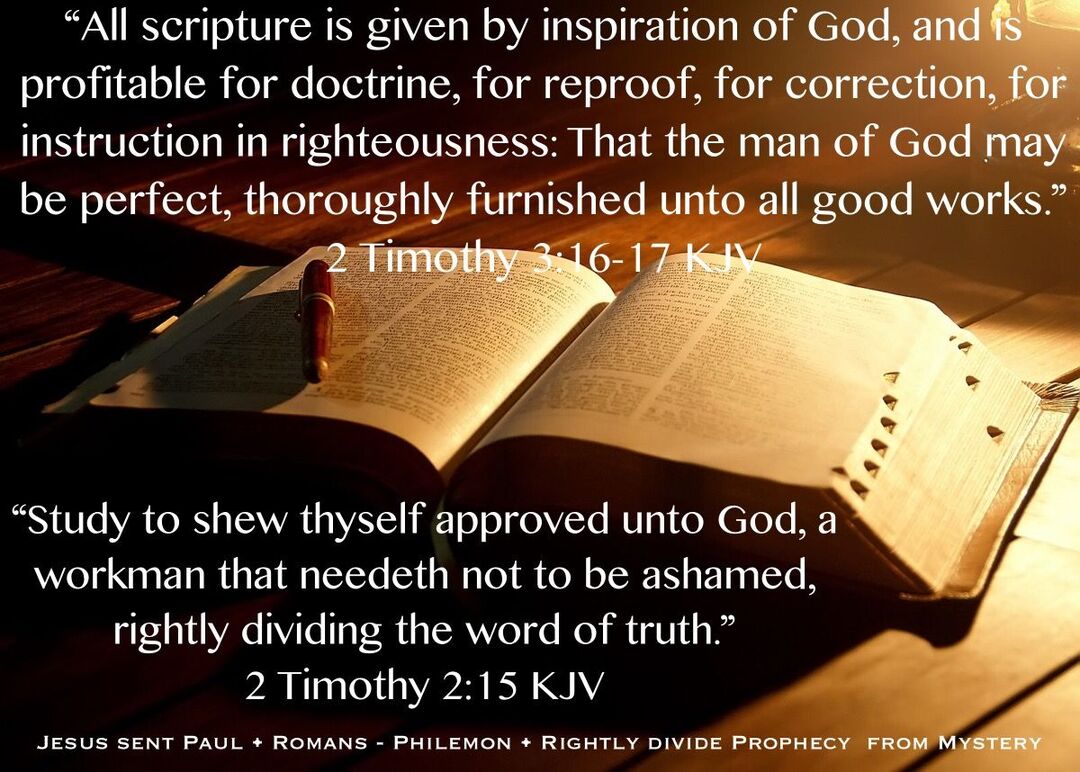
“Study to shew thyself approved unto God, a workman that needeth not to be ashamed, rightly dividing the word of truth.” 2 Timothy 2:15
Some will quote Romans 15:20 as a gag order: Paul says, “Yea, so have I strived to preach the gospel, not where Christ was named, lest I should build upon another man’s foundation.”
That verse is real, but it is about something completely different. Paul is describing his missionary strategy: he wanted to take the first preaching of the gospel to unreached peoples who had never heard Christ’s name. He refused to repreach the gospel where it had already been faithfully planted. But the moment that already-planted gospel was being twisted or disobeyed in those churches, Paul intervened without apology—even in churches he did not found:
- He publicly rebuked Peter to his face in Antioch: “But when Peter was come to Antioch, I withstood him to the face, because he was to be blamed… I said unto Peter before them all…” (Galatians 2:11–14)
- He commanded the Corinthian church from afar to excommunicate an immoral man: “In the name of our Lord Jesus Christ… deliver such an one unto Satan… put away from among yourselves that wicked person.” (1 Corinthians 5:4–5, 13)
- He wrote an entire corrective letter to the Colossians, a church he had never visited: “Beware lest any man spoil you through philosophy and vain deceit…” (Colossians 2:8–20)
- He told Timothy and Titus to silence false teachers and rebuke sinful elders publicly in churches others had planted: “That thou mightest charge some that they teach no other doctrine…” (1 Timothy 1:3). “Whose mouths must be stopped… Wherefore rebuke them sharply…” (Titus 1:10–13)
Paul refused to repreach the gospel where it was already established.
He never refused to defend and correct the gospel (or the holy living it demands) once it had been established.
“But Jesus said ‘Judge not’" .. Yes, He did—both in the same sermon (Matthew 5–7). Here is exactly what “Judge not, that ye be not judged” means: “For with what judgment ye judge, ye shall be judged… Why beholdest thou the mote that is in thy brother’s eye, but considerest not the beam that is in thine own eye? … Thou hypocrite, first cast out the beam out of thine own eye; and then shalt thou see clearly to cast out the mote out of thy brother’s eye.” Matthew 7:1–5
Jesus forbids hypocritical, proud condemnation—not the loving removal of a brother’s speck after you have dealt with your own log. The goal is restoration, not destruction: “As many as I love, I rebuke and chasten: be zealous therefore, and repent.” Revelation 3:19. Real love warns. Real love risks being called “judgmental” because it cares more about a soul than about being liked.
Romans 15:20 is no license for silence when a brother in another flock—or in your own—is openly turning from righteousness. Ezekiel's blood-guilt (Ezekiel 3) and the command to judge those inside (1 Corinthians 5) still stand.
Until believers stop outsourcing their theology to only pastors, podcasts, and memes—and start reading the Bible, the whole counsel of God, for themselves—the church will keep quoting one verse to disobey fifty.
The harsh truth is this: If you use “judge not” as a shield to protect unrepentant sin inside the body of Christ, you are not being loving. You are being disobedient. And one day the Righteous Judge will not ask what your pastor said, what your small group thought, or what felt kind. He will open the Book of Life: “He that overcometh, the same shall be clothed in white raiment; and I will not blot out his name out of the book of life, but I will confess his name before my Father, and before his angels.” (Revelation 3:5)
Choose today whose word you will believe: the complete Word of God, or the convenient half-verses the crowd prefers.
“Thy word is a lamp unto my feet, and a light unto my path.” Psalm 119:105
Open the Bible . Read it all. Obey it all. Your soul—and the souls of your brothers and sisters—depend on it. The time is short.
May the God of Glory light your path. May His Son open your eyes to see, your ears to hear, and your heart to understand. Amen.